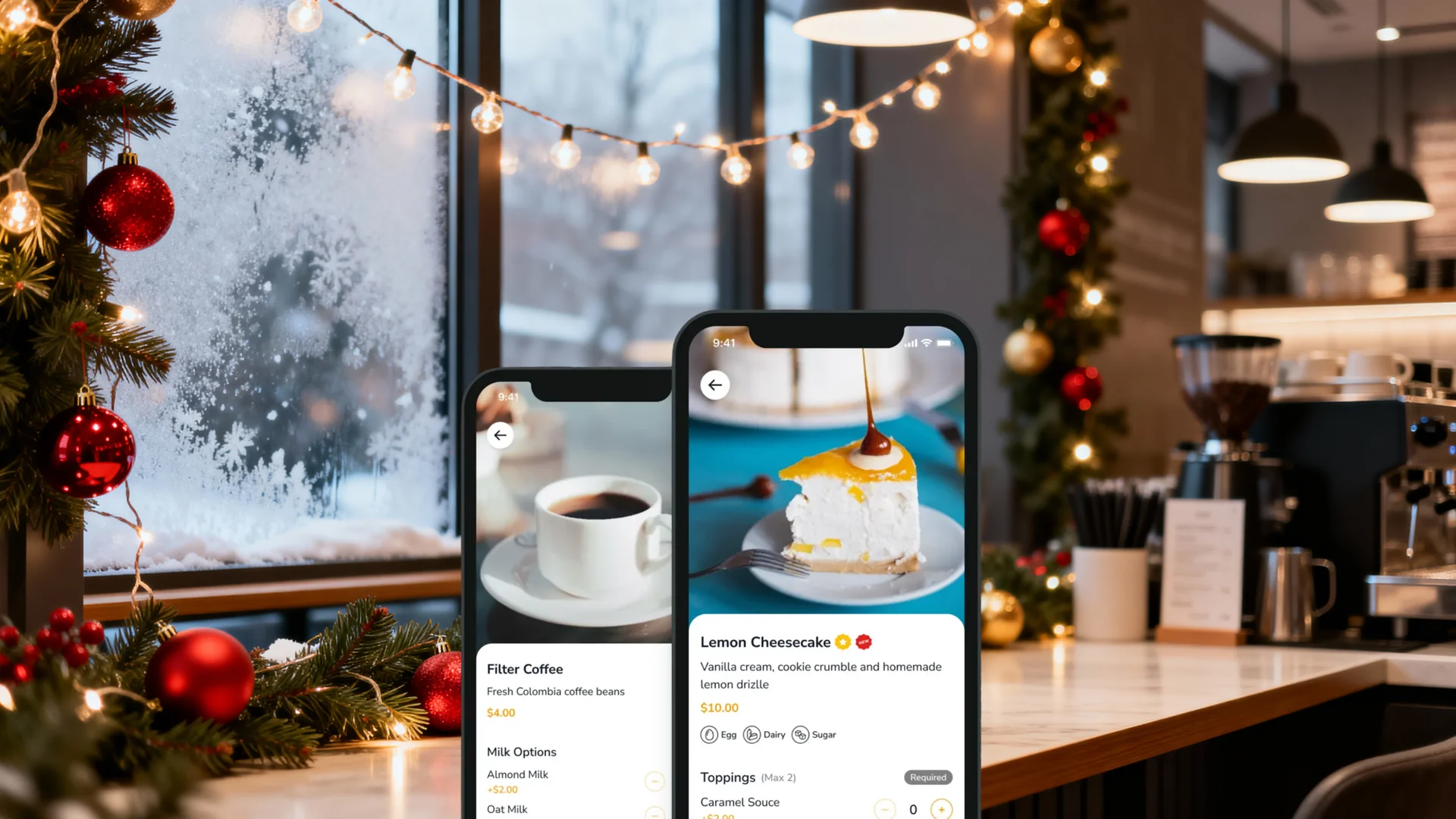
Menus are not just lists of products. They are the customer's first point of contact with the café, they guide purchasing decisions, and they reflect the brand's character.
While a poorly designed menu causes lost sales opportunities, a correctly planned menu increases sales and streamlines operations.
In this guide, we will explore step-by-step ways to make your café's menu profitable, effective, and aligned with your brand.
Café Identity in 4 Questions: How Does Your Menu Speak for Your Brand?
Your café’s menu is a direct reflection of your brand identity. From the products highlighted to the design content, every element gives the customer subtle clues about the environment they are in.
Therefore, before designing the menu, you need to determine who you are and how you want to express yourself.
You might aim to create a warm atmosphere by leaning into nostalgia elements and reflecting a classic retro style, or you might prefer to be a concept café following the most popular trends of recent years, serving a specific aesthetic. You could even take it a step further and create an interactive café environment, allowing customers to embrace the space holistically.
Which path you take is entirely up to you. The important thing is to be able to brand your chosen aesthetic on the menu. Your answers to the questions below will help you build your café's identity step by step!
- Who am I addressing?
- Are students the majority, or working professionals? Am I offering quick consumption or a sit-down experience?
These answers affect menu language, portion sizes, and pricing strategy.
- What is my café's atmosphere like?
- Is it a minimal and modern space? Sincere and homey? Artistic, conceptual, and experience-oriented?
The spirit of the venue is reflected in everything from category names to product descriptions.
- What values does my brand defend?
- Local producers, sustainability, special roasts, boutique experience… Fast service, practicality, affordable prices, wide variety…
These values must be visible in menu messaging and product selection.
- Where is my positioning?
- An affordable, accessible café? A premium brand focused on third-wave coffee? A bakery-café mix famous for its desserts?
Price levels, product naming, and visual usage take shape from here.
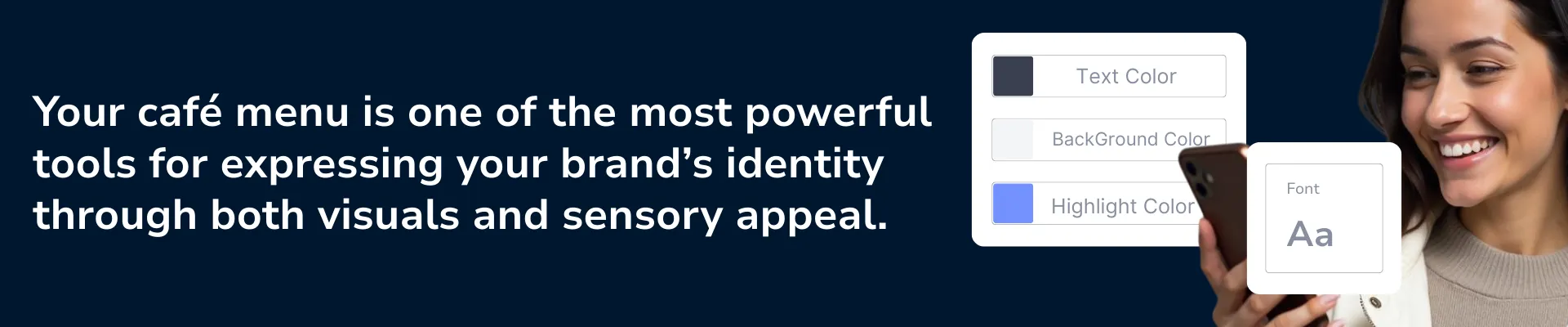
Product Selection: Strategic Approaches to Make the Menu Profitable
Every product on the menu directly affects the business's sales potential and operational load. Therefore, product selection begins not just with the question "What should we sell?" but with "Which products reflect our brand identity and ensure sustainable profitability?"
More variety does not always mean a stronger menu. On the contrary, uncontrollably large menus create more ingredient stock, higher waste rates, and pressure on staff. The ideal for a café menu is a selection that is lean, understandable, and consists of products with clear sales potential.
Brand identity comes into play here again. The menu must clearly make the customer feel the café’s story and focus. The answer to the question "What kind of café is this?" should be visible in the product list.
For example:
In a business focused on third-wave coffee, filter and espresso-based drinks are at the center of the menu, while desserts and snacks play a supporting role.
In contrast, a warmer café known for its homemade products might have a strong dessert display and position coffee as a complement.
Signature items are crucial for this reason. Unique drinks or dessert options that remind the customer of the café, are worth sharing, and are a reason to return, are the stars of the menu.
These products build loyalty by creating brand memory. If the menu is too crowded, these star products can get lost. A selective approach rather than a crowded one makes guiding sales easier.
Profitability is also an inseparable part of product selection. Drinks and foods that serve multiple recipes with the same ingredients facilitate stock management and keep costs under control.
- Strategies such as milk coffees and cold variations relying on the same base,
- Or creating sales opportunities with different portion options for a dessert, can increase the average basket size.
Every product on the menu must have a purpose: it drives sales, plays a complementary role, or adds to the experience. No product should remain on the menu without a reason.
In conclusion, correct product selection strengthens brand personality and simplifies operations. A balanced menu where guests easily find what they want, which the business manages comfortably, and which proceeds with a sales focus, is the foundation of sustainable growth.
The Science of Pricing: The Triangle of Psychology, Data, and Cost
Determining prices for a café menu doesn't end with just knowing the cost. Location, target audience, brand identity, presentation language, and even the feeling created by the venue shape price perception.
The same latte might be priced as an "experience" in a third-wave café, while it is priced as a standard product in a chain café. Therefore, price must be handled alongside the brand's tonal identity.
Thinking about pricing within a three-legged framework clarifies things:
- Cost and Market Balance: Ingredients, operational expenses, competitor price scale.
- Customer Psychology and Perception Threshold: Product perception, spending behavior, sense of value.
- Sales Data and Profitability Analysis: Which product sells? Which product makes money?
When these three elements work together, pricing moves from "writing numbers" to building a strategy.
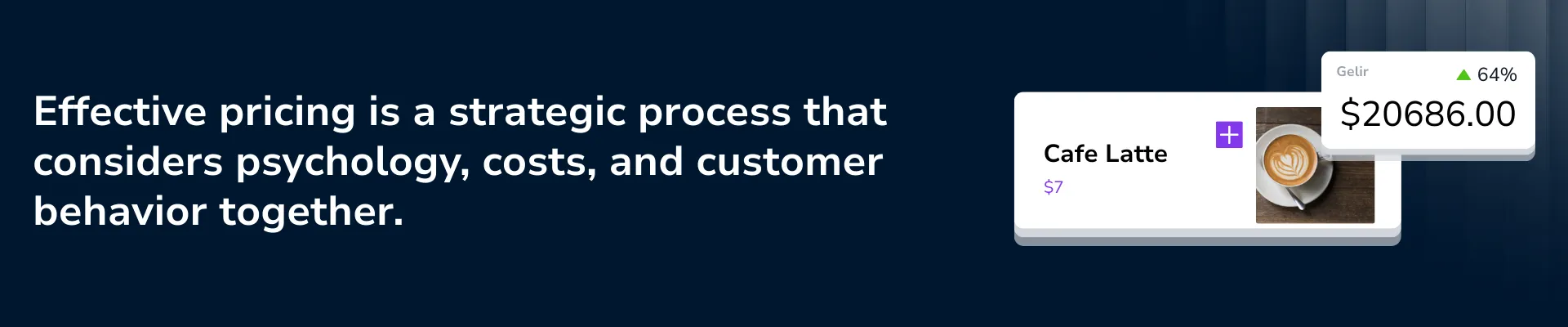
The Psychology of Pricing: How Consumers See Prices
How the price is presented is often as effective as the price itself. Labels like 14.99 – 29.99 that we frequently see during discount periods are no coincidence.
Research shows that consumers focus on the first digit they see; therefore, 29.90 dollar can be perceived as more "affordable" than 30 dolar. However, this may not create the same effect in every segment, so the method should be tested before use.
Similarly, seeing a currency symbol at the beginning of the price can trigger a “spending feeling” in some customers and reduce the desire to purchase.
To prevent this, some restaurants write only "58" instead of "₺58" on menus; the aim is to make the price look simpler and less "payment-focused."
Although it seems like a small detail, it can change behavior.
Data Provides Insight into Pricing Processes
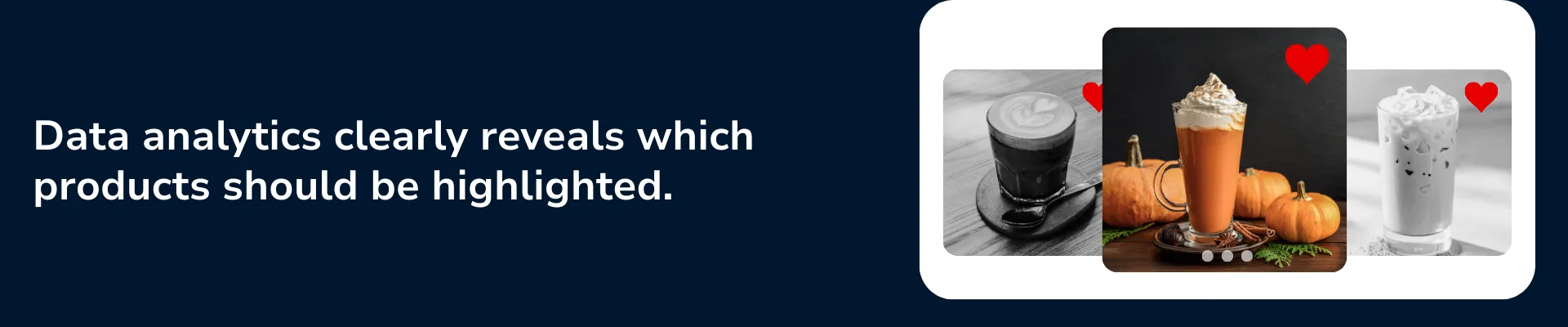
Psychology affects purchasing, but data proves what works. Menu engineering comes into play here. By categorizing products based on popularity and profitability, it becomes easy to see which product should be in the showcase and which recipe needs revision.
- High sales but low profit → Recipe revision may be needed.
- High margin but low sales → Visibility on the menu should be increased.
- Both popular and profitable → The Star; should be placed in the center.
This analysis directly affects stock planning, waste control, and menu volume. In other words, price doesn't just stay on the label; it finds a response in the kitchen as well.
So, which data should be tracked? Most cafés track the same points:
- Gross margin per product
- Sales quantity and conversion rate (product image present/absent)
- Average basket value and basket growth rate (after variation application)
- Gross margin change after discount/promotion
- Sales impact 7, 30, and 90 days after price changes
Does Design Affect Sales? Menu Design and Behavioral Effects
Elements such as visual layout, typography, color selection, product sequencing, and photo usage give customers information about your brand, while also silently answering questions through visual and orderly elements: Is this café right for me? Did it catch my interest? Is it valuable enough to spend my time here?
- Research shows that well-arranged menus increase readability, reduce confusion, and simplify the ordering process.
Photos and visual elements significantly increase the likelihood of highlighted products being selected.
- Some studies state that sales in visually supported menus show an increase of up to 20-30%.
The important thing here is not to overcrowd the menu, but to create a visual feast limited to strategic choices that reflect the brand identity exactly.
Photographing all products or highlighting all prices can lead to visual chaos. For different customer segments and product groups, a "sparse but selected, curated menu" is usually more successful.
Color and font selection also make a difference. For example, menus printed with stylish, classic fonts and minimal design give a corporate or premium feel; this supports the price/quality perception. Even the weight and quality of the menu paper can affect perception.
In conclusion, the answer to our question is yes. Design is one of the hidden elements affecting sales.
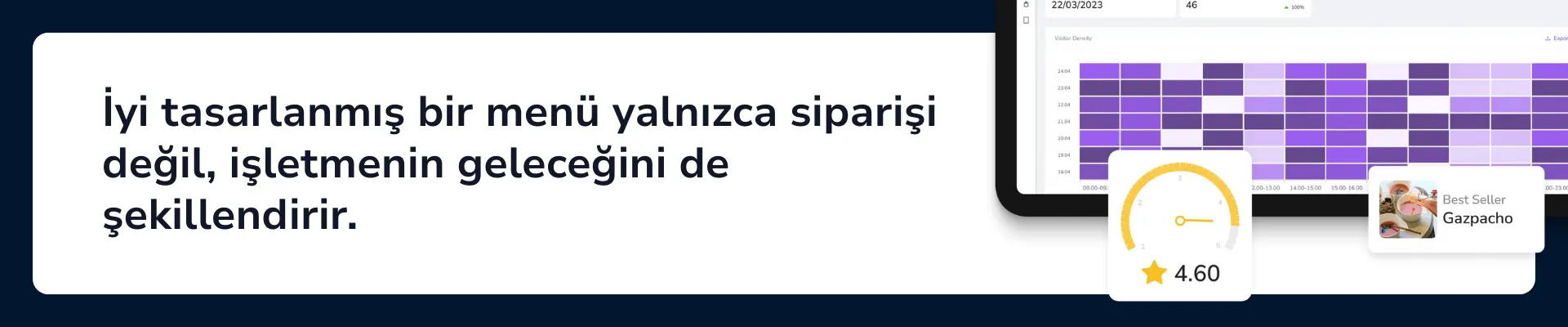
Storytelling in the Menu: Micro-Messages That Increase Sales
Menus are not just lists that allow ordering; they are like the voice of the brand and the showcase of the products. Product names, descriptions, and expressions used actually tell micro-stories to the customer. A short but effective story transforms a product from being "an ordinary latte" into an experience that must be tried.
Even a small detail changes the customer's decision. For example:
- "Latte – 75₺" vs. "Latte prepared with the Barista's special blend – 75₺"
The same product, but the second version arouses curiosity and raises the perception of value. Adding descriptions that establish an emotional bond with products has been shown to decrease customer price sensitivity and increase purchase intention (this effect is even more pronounced in gastronomic products).
Storytelling can be constructed on three different levels:
The Origin of the Product
Do the coffee beans come from Colombia? Is your dessert recipe left from your grandmother? Is the seasonal menu prepared with local producers? Even a short sentence makes the product personal and special.
Example: "Prepared with beans coming from the same local farm for years."
Sensory Descriptions
Words describing taste, aroma, and texture whet the appetite and visualize the experience in the mind.
Example: "Intense cocoa aroma, velvety texture, light bitter finish."
It doesn't have to be a description exactly like this. The important thing is content that can powerfully transmit emotion while supporting the simplicity of the menu.

Micro-Messages
Some words create a direct effect on sales behavior because they convey trust, freshness, or exclusivity.
Strong expressions working in café menus:
- Prepared daily
- Homemade
- Limited edition
- Seasonal special recipe
- New
- Vegan option available
- Barista's special recipe
These small tags raise the probability of the product attracting attention and often guide the customer to a choice.
The most important point is that stories must be based on truth. Exaggerated or untrue claims may work in the short term, but they cause a loss of trust in the long run. What is safe and sustainable is a narrative that is appropriate to the brand's own character, lean, but impressive.
Many cafés associate increasing sales only with price, location, or design. However, sometimes what makes the difference is just a story of a few words.
Café Menus
A café menu is more than a place to list products; it’s a strategic surface where brand character, perceived value, and purchasing behaviour intersect.
When designed with a clear identity, the menu communicates the soul of the venue at first glance. That identity may come through a restrained, minimalist structure, through descriptions enriched with warm narratives, or through a small number of confident signature items that anchor the experience.
Today, a menu’s strength lies not only in how it looks, but in how easily it can be managed. Digital menus enable rapid price adjustments, seamless updates, in-depth sales tracking, and profitability gains through A/B testing.
This flexibility reduces operational friction and transforms the menu into a living sales channel, one that evolves continuously alongside the business.
To shape your digital café menu right now, contact FineDine's expert team.