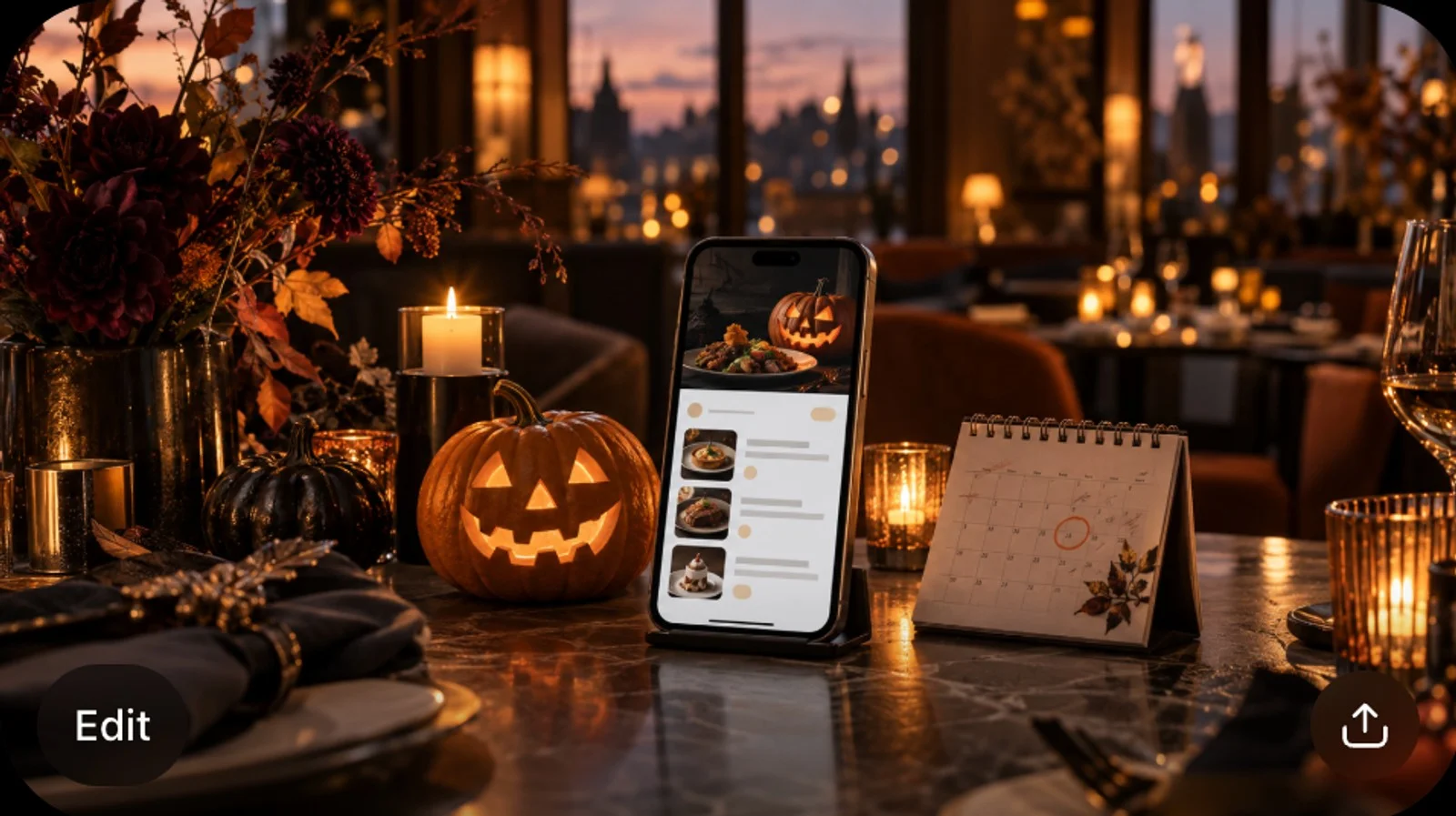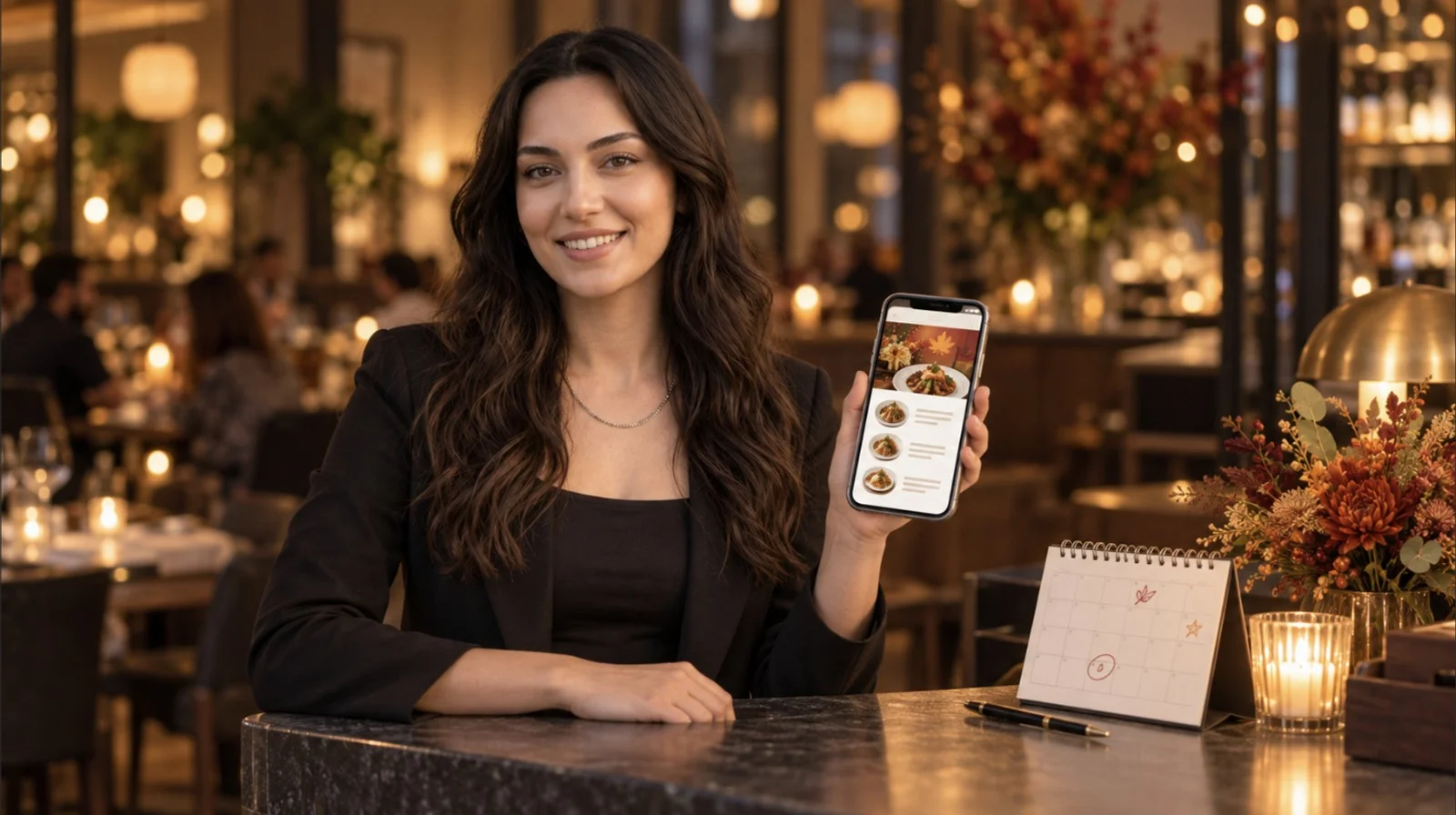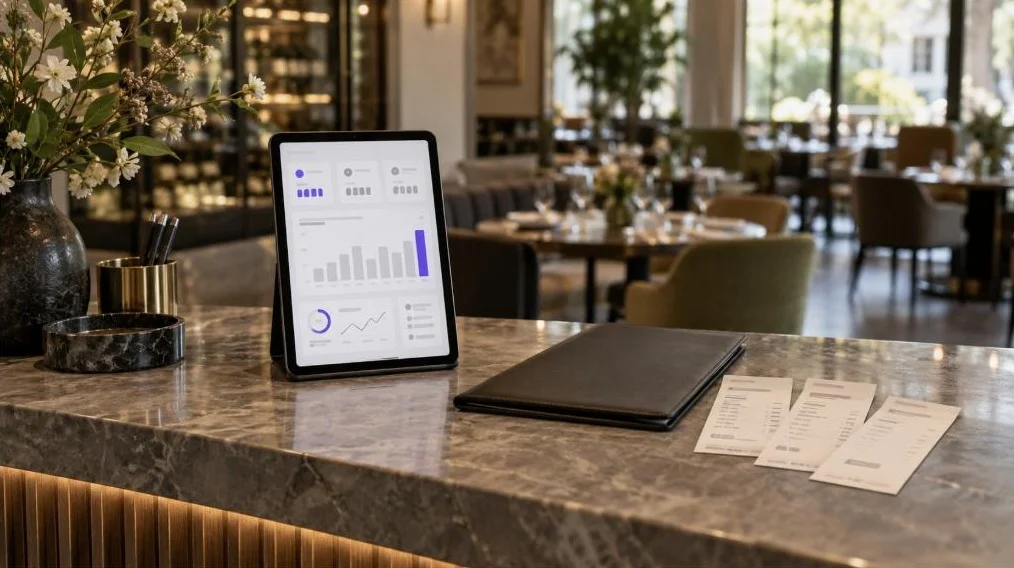

A table of six is done, the card declines, and the only other thing you take is cash. One of them goes out to find an ATM. A server waits by the table. A party at the door waits for a table that is, on paper, free.
That's the job more payment options do. They don't get anyone to spend more. They keep a sale from failing at the last step, in front of the whole room. If you only add one thing, add a way to pay that doesn't wait for a member of staff to be free. In a lot of rooms that means the guest settling from their own phone without getting up. It won't suit every table, and that's why the second and third options still matter.
Most failed payments are not somebody trying to leave
Look at the failures that actually happen in your room. A card that's over its limit on the 28th of the month. A phone wallet that won't open because the screen is cracked, or the battery died somewhere around dessert. A foreign card flagged by its own bank because the guest didn't tell them they were traveling. The terminal at the corner table that can't find signal, same as last Saturday, at the same table.
None of that is fraud. All of it lands on your floor staff at the worst end of service. With one way to take money, each one becomes a walk, a wait and an audience. With a second, it's one sentence at the table and the check closes.
A backup only counts if it's genuinely separate. A second terminal from the same provider, on the same wifi, going to the same acquirer isn't a backup. One outage can take both down together, and it tends to happen on a night you can't afford it. Cash is separate. A guest's phone on mobile data is separate from your wifi. A second provider is separate from the first.
The four places a guest can pay in your venue
People talk about adding a payment option as adding a method. On the floor it's adding a place: a point in the room where money can change hands without anyone walking somewhere else.
Plenty of venues have one of these four and would run better with a second. Which one you're missing usually comes down to the shape of your room, not to what's in fashion. A terrace with two bars of signal points to a device on your own network rather than the guest's. A counter that queues at lunch points to a screen guests can use on their way past. A dining room where parties sit for two hours points to the guest's own phone. In that room, the wait between wanting to leave and catching someone's eye is often longer than the rest of the payment put together.
If you take pickup or delivery orders through your own channel, that's the fourth place, and it works differently from the other three. The money comes in before the food is made. That changes what a failed payment costs you, and it's one reason online ordering has its own set of rules.
The guest who doesn't want the bill to land on the table
Anyone who has run a floor has seen this guest. The host who gets up on the way to the bathroom and settles at the counter. The business lunch where nobody wants a folder opened in front of the client. The table where one person is quietly paying for everyone and would rather the others didn't see the total.
That guest needs a way to pay that isn't the folder arriving. Three things make it possible. The check has to be open somewhere they can reach from their seat, so they can pay it on their phone without anything being brought over. Your staff need to be able to close that check from the host stand, not only at the table. And if the bill can be split by item or by amount, nobody has to announce who is paying what.
All of it rests on one condition. The check has to exist against that table before the guest asks for it. If the order went on a pad and the total gets worked out at the till, there's nothing for anyone to open. The folder is the only way left.
The other half is staff, and it's the half that gets skipped. A server who brings the folder anyway has undone the whole setup. Say it at briefing: when a guest settles away from the table, the table doesn't get a check.
Tips and the cover charge travel with the payment
The tip prompt goes wherever the payment goes. On a screen a server is holding, the guest answers it in front of that server. On their own phone, they answer it with nobody watching. Those aren't the same question. If you move where it's asked, compare your tip totals over a stretch that includes a quiet weeknight and a full Saturday before you decide whether the change helped.
Cover and service charges are the first line to break when you add a payment option. If you charge either, it needs to be its own line on the digital check, not something added by hand at the end of the night. Otherwise the guest who paid on their phone paid one total, the printed check shows another, and someone spends the end of every shift reconciling the two.
The provider list and the fast checkout list are not the same list
Before you decide what guests can pay with, find out what your provider supports in the country you're registered in. A lot of owners check this last, after they've already told the room it can use a wallet it can't.
FineDine's integrations marketplace shows how much this depends on geography. The Payment tab lists ten providers, all marked free to connect: Stripe, Iyzipay, Square, SumUp, STC Pay, Pay2M, Myfatoorah, PayZee, MOKA and NoonPayments. Read the list as a map, not a menu. Stripe, Square and SumUp are the international names. Iyzipay and MOKA point to Türkiye. Myfatoorah, STC Pay and NoonPayments point to the Gulf. Which ones you can actually use depends mostly on where your business is registered, not on which you'd prefer.
This is the part to know before you sign anything. Connecting a provider doesn't get you every checkout behavior. Fast Checkout is the flow that lets a table split the bill from their phones, and in the panel it's offered with Stripe and Myfatoorah. So the provider question has two halves. Can I take cards in my country? And does this provider give my guests the quick, splittable path, or only the standard one? Ask them in that order.
The same marketplace lists eleven POS integrations, and a few of them carry their own monthly fee, shown next to them. If your orders already live in a POS, that connection is what saves someone from keying the same total into two systems and finding out at midnight that they don't match. If what you really need to understand is how the scan itself works, read how QR code based payments work before you pick a provider just because it says contactless.
What each extra option costs you
None of this is free, including the integrations marked free.
On every transaction the provider takes its cut, and the percentage changes with the card type and the country the card was issued in. Ask for the rate for each card type before you compare two providers. The headline rate is usually the cheapest case, and a room full of foreign cards in high season isn't the cheapest case.
Then there's the running cost nobody quotes you. Terminals need charging and a place to live between services, and one named person has to own that job. Every separate method is one more report to match at close. Two take a few minutes. Five with nothing linking them take someone's evening, every evening.
Processing fees sit in the same group as rent and utilities, and what's left after that group is the thinnest line in the business. So the question is never whether an option looks modern. Count before you buy. Over two weeks of service, how many checks failed at the last step, and how much floor time did each one cost? If it's one or two in a fortnight, you need a house policy, not hardware. If it's one every service, the case for the hardware is easy to make.
Setting this up in FineDine
Two things have to be in place before service starts. The check has to be attached to a table before the guest asks for it, and the guest needs a way to ask.
QR codes can be issued per table or as one code for the whole room. With a code per table, the order comes in already tied to that table, and that's the link a guest needs to reach their own bill. One code for the room is easier to print, but then the table has to be recorded some other way. Service Options covers the asking. You set up the requests a guest can send from the menu, asking for the bill among them, so nobody has to raise a hand to get it.
Payments are recorded against the order whichever way they come in: card, cash, or online by card, Apple Pay or Google Pay. Tips are recorded too. Cover and service charges are set up under Settings > Operations > Extra Charges, so they don't depend on someone remembering them at the end of the night. For pickup and delivery through your own channel, payment can be taken online when the guest orders.
One limit is worth saying plainly, because it decides whether you buy anything. FineDine records a payment. Nothing we saw in the panel reads a card. If you want guests tapping a physical card at the table, a reader has to be at the table. If they pay from their own phone, nothing extra has to be there.
What's included changes over time, so check the current coverage on the pricing page before you plan around it. To see how this would run on your own floor plan with the terminals you already have, ask for a demo.
| Where the guest pays | Who starts it | What it needs | Where it breaks |
|---|---|---|---|
| Their own phone, at the table | The guest, whenever they're ready | The check attached to a table before they ask, and signal at that table | Dead spots, and guests who won't open anything on a phone |
| A device in a server's hand | The server, once they notice | A charged terminal and a free pair of hands | Six people paying separately, one after another, on one device |
| A fixed screen, on the table or as a kiosk | Either, depending on how it's set up | Space, power, and a morning check that the screens are on and clean | Everyone leaves at once and the kiosk queues |
| Your own pickup or delivery checkout | The guest, before the food is made | An ordering channel with a provider connected to it | A failed payment cancels an order the kitchen may have started |
Frequently Asked Questions
- What is the 30/30/30/10 rule for restaurants?
- It's a rule of thumb for planning, not a measurement. Roughly 30% of revenue goes to food and beverage cost, 30% to labor, 30% to overhead, and about 10% is left. Use it to spot when one group has grown, not as a target your format has to hit. A wet-led bar and a bakery sit in very different places on it. Card processing fees fall in the overhead third, which is why a fraction of a percent between two providers is worth reading carefully before you sign.
- What do you do when a guest genuinely can't pay the bill?
- Start with the ordinary causes, because it's often just a declined card. Try a second method, a second device, or let someone else at the table pay. If none of that works, the check stays open and a manager takes it over, not the server. Decide the rest in advance and write it down, including whether you'll ask for ID or a signed acknowledgment. Check that with your accountant or lawyer, because what you're allowed to ask for varies by country.
- What is the best app for paying at restaurants?
- There isn't one that works everywhere, so it helps to turn the question around. What matters is which wallets and providers your guests already carry, and that follows their country more than their taste. International visitors will often reach for Apple Pay or Google Pay on whatever reader you have. A mostly local room will want whatever their own banks push. Look at the last month of your own payments before you add anything new.
- Do I still have to take cash?
- Where cash is legal tender, taking it is usually your call, but some countries and municipalities have rules about refusing it. Check locally before you put a sign in the window. Leaving the law aside, cash keeps working when your internet doesn't. That's a real reason to keep a float even in a room where hardly anyone pays in cash.
- Does adding payment options increase sales?
- Not in the sense of getting anyone to order more. What it does is stop checks from failing, stop tables sitting occupied while someone looks for an ATM, and cut the wait at the end of the meal for guests who are ready to go. Whether that's worth the fees is something your own numbers answer. Compare the fees against how much floor time your current failures cost you.