
Order and pay at the table lets guests scan a QR code, browse the menu, place their order and settle the bill from their own phone. Nothing new sits on the table and no terminal changes hands: the phone in the guest’s pocket is both the menu and the card reader.
That one change touches three numbers a busy dining room already tracks: table turn time, order accuracy, and time spent at the POS. All three move in the same direction once guests order and pay themselves.
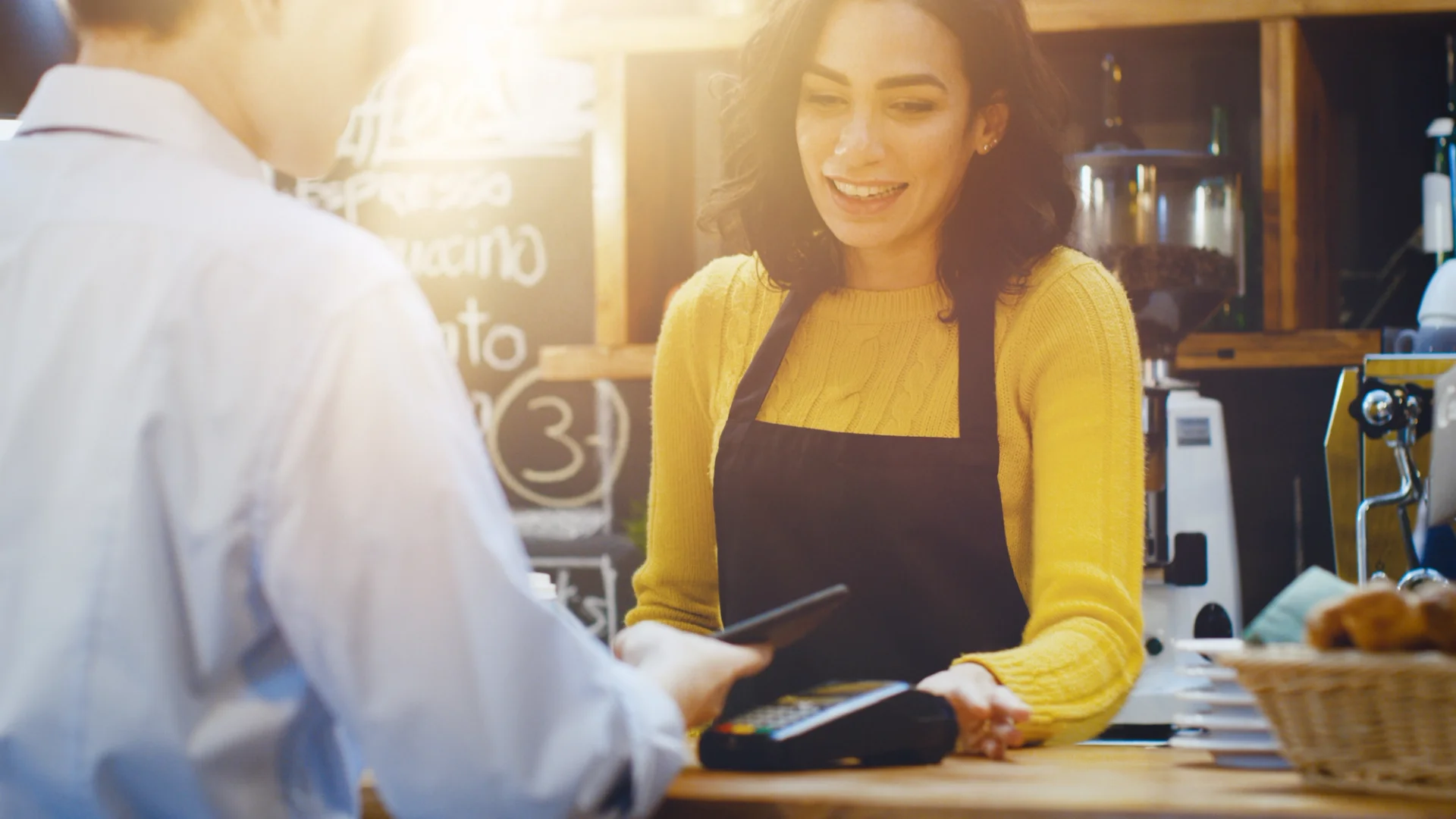
Card payments used to need the card and the terminal in the same place: swipe, insert, tap. That requirement is what kept payment at the counter. Once the payment method moved onto the guest’s own phone, the counter stopped being the place where a bill has to be settled.
What Is Order & Pay at the Table Technology?
Guests scan a QR code, usually on the table but sometimes on the window outside, and land on an interactive menu. From there they order and pay. More rounds can be added during the meal, and each one goes faster when the guest already has Google Pay or Apple Pay set up.
The flow is short: scan, browse the menu including any deals or new items, choose, order. Payment happens either right after the order or at the end of the meal, from the same screen. No hardware is bought and nothing is installed on your tables.
What Does Order & Pay at the Table Change in the Room?
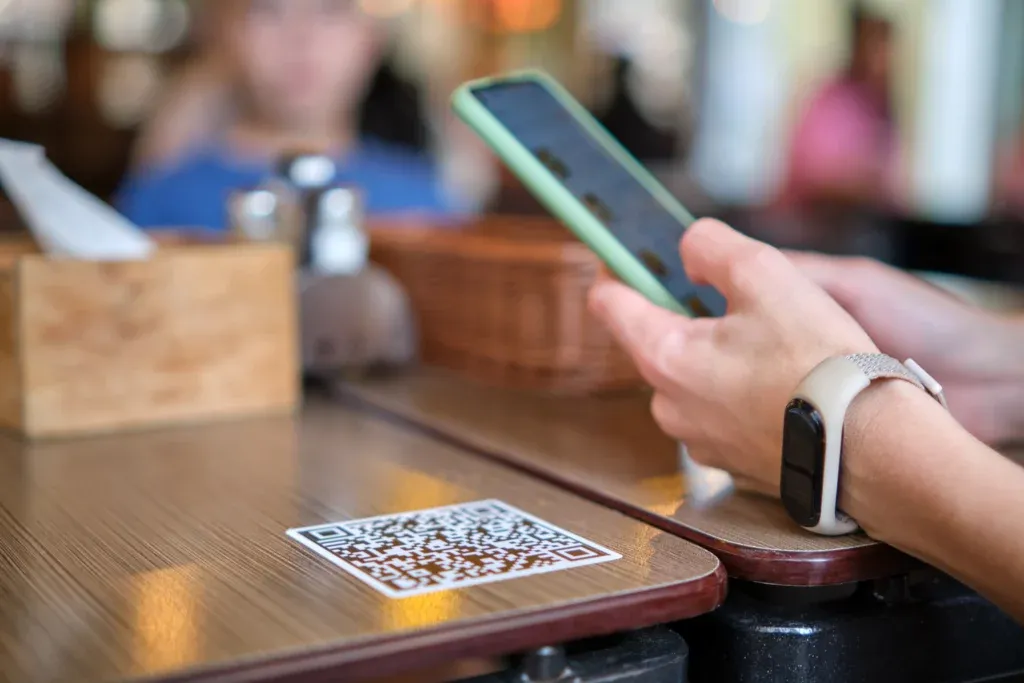
Here is what changes when guests order and pay from their own phone:
- Fewer trips between the table and the POS. Servers stop walking back to a terminal to enter an order and again to run a card. The walking that remains is the part guests actually notice: food arriving at the table.
- Fewer order errors. When guests enter their own order, a forgotten side or an ignored substitution stops being a miscommunication. That takes pressure off your staff and gives the guest the dish they actually asked for.
- Better tips and more repeat visits. Guests who had a smooth meal tend to tip more generously and come back more often.
- Card details never change hands. Guests settle the bill at the table without giving a card to anyone. That removes a category of risk from your floor: a card number cannot be copied by someone who never touches the card.
- No reprinting costs. A price change, a new seasonal dish, a sold-out item: each one is edited once, digitally, and nothing goes back to a printer.
- More of your servers’ attention on guests. This reads backwards, but taking ordering and payment off their hands is exactly what frees them up. Without the back-and-forth to record orders and settle checks, they have time to notice the table that needs something.
- Dietary requirements reach the kitchen in writing. Guests with allergies or dietary restrictions often prefer typing a requirement to explaining it across a busy room. The note travels with the order, so the kitchen reads it instead of hearing it second-hand.
Is This the Same as Tableside Payment?
Not quite, and the difference is who holds the device. Order and pay at the table puts the whole flow on the guest’s phone: they browse, order and pay themselves, and you buy no hardware. Tableside payment usually means the opposite arrangement, where a server carries a handheld terminal to the table and takes the payment there.
Both keep the bill from travelling to a counter. Only one of them also takes the ordering step off your staff. If order entry and table turnover are the problem, the guest’s phone is the version you want. If the only problem is the walk to the POS at the end of the meal, a device the server carries does that job without changing how orders are taken.
Order and Pay Questions
- Is order and pay at the table hardware or software?
- Software. The hardware is the phone already in the guest’s pocket, and nothing new goes on the table. What you set up is the menu, the ordering channel and the payment provider. That is also the main difference from a server carrying a terminal, where the hardware is yours to buy, charge and replace.
- Is this the same as paying online before you arrive?
- No, and the two solve different problems. Paying online happens before the meal and belongs to delivery and pick-up. Order and pay at the table happens during the meal, in your dining room, and replaces the walk to the counter. The same guest can use both in the same week.
How FineDine Handles Order and Pay
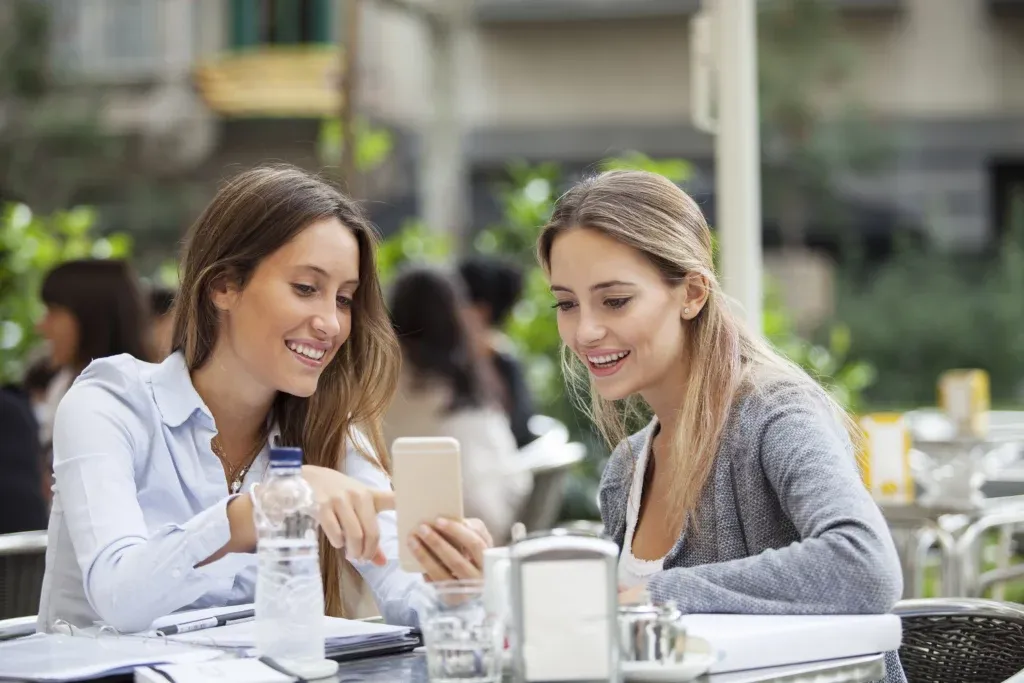
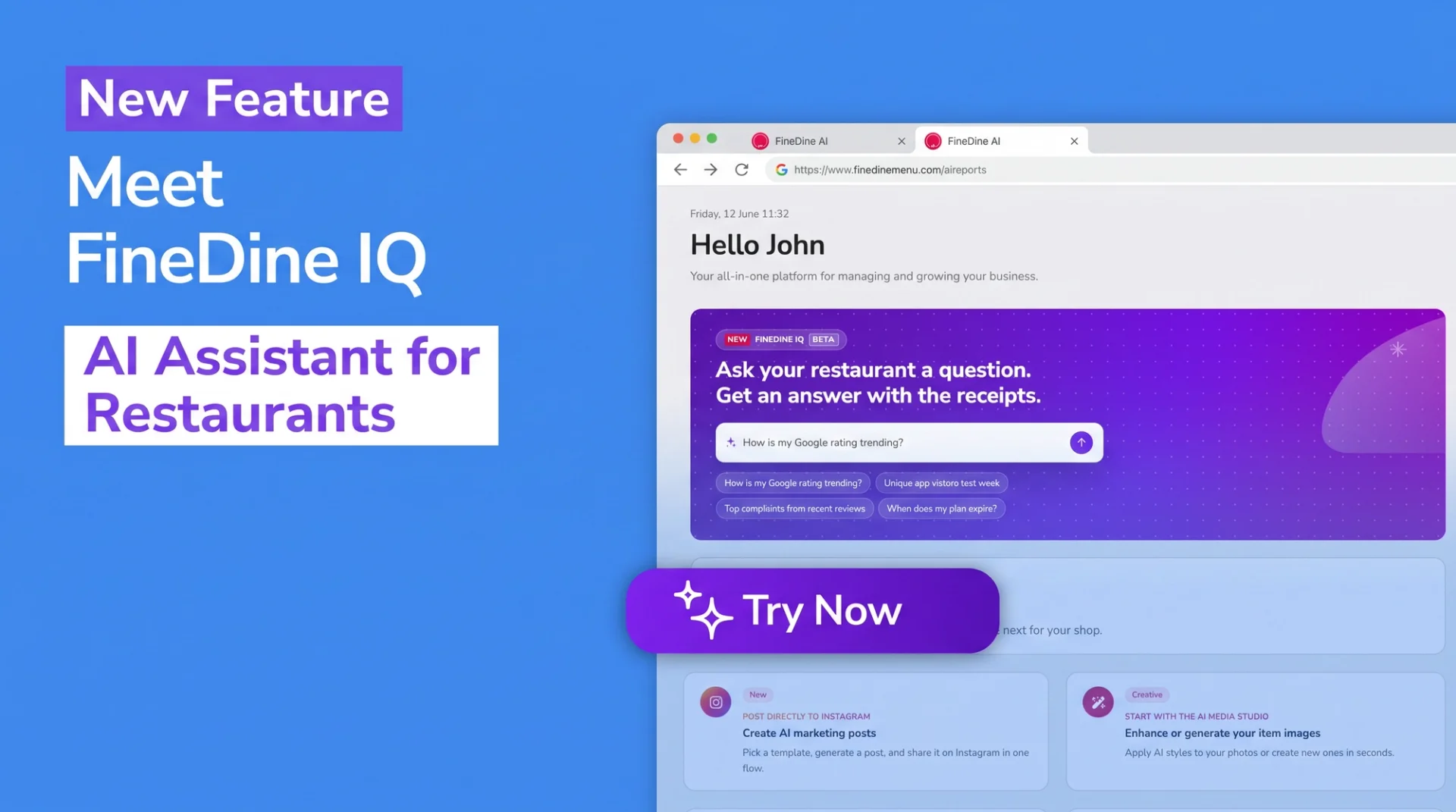
Using FineDine technology, you can create and provide a digital menu for your restaurant. You may take contactless orders from your customers, enable contactless payments from them, and provide them with a simpler, faster, and safer tasting experience with the help of the FineDine application.
Two settings decide how this works in your room. The first is whether every table carries its own QR code or the whole room shares one. The second is whether the menu takes orders at all or only shows the dishes. Guests can also send service requests from the same screen, so "bring the check" or "this is not what I ordered" reaches a server without anyone waving.
FineDine is incredibly user-friendly and offers a wide range of language possibilities. You can use the FineDine app to choose your payment options, digitize your restaurant's menu, and add visual components like videos and photographs. Following the orders, you may effectively examine the decisions you need to make for your restaurant utilizing the customer feedback FineDine collects. The ordering options provided by FineDine include a tablet menu, a QR menu, and quick payment. You can utilize tablet menus and QR menus to capture contactless orders from customers at your restaurant with the use of the FineDine application. Moreover, if you choose the speedy payment option, you can get money right away, without having to talk to anyone.
A tool for gathering information and examining consumer behavior
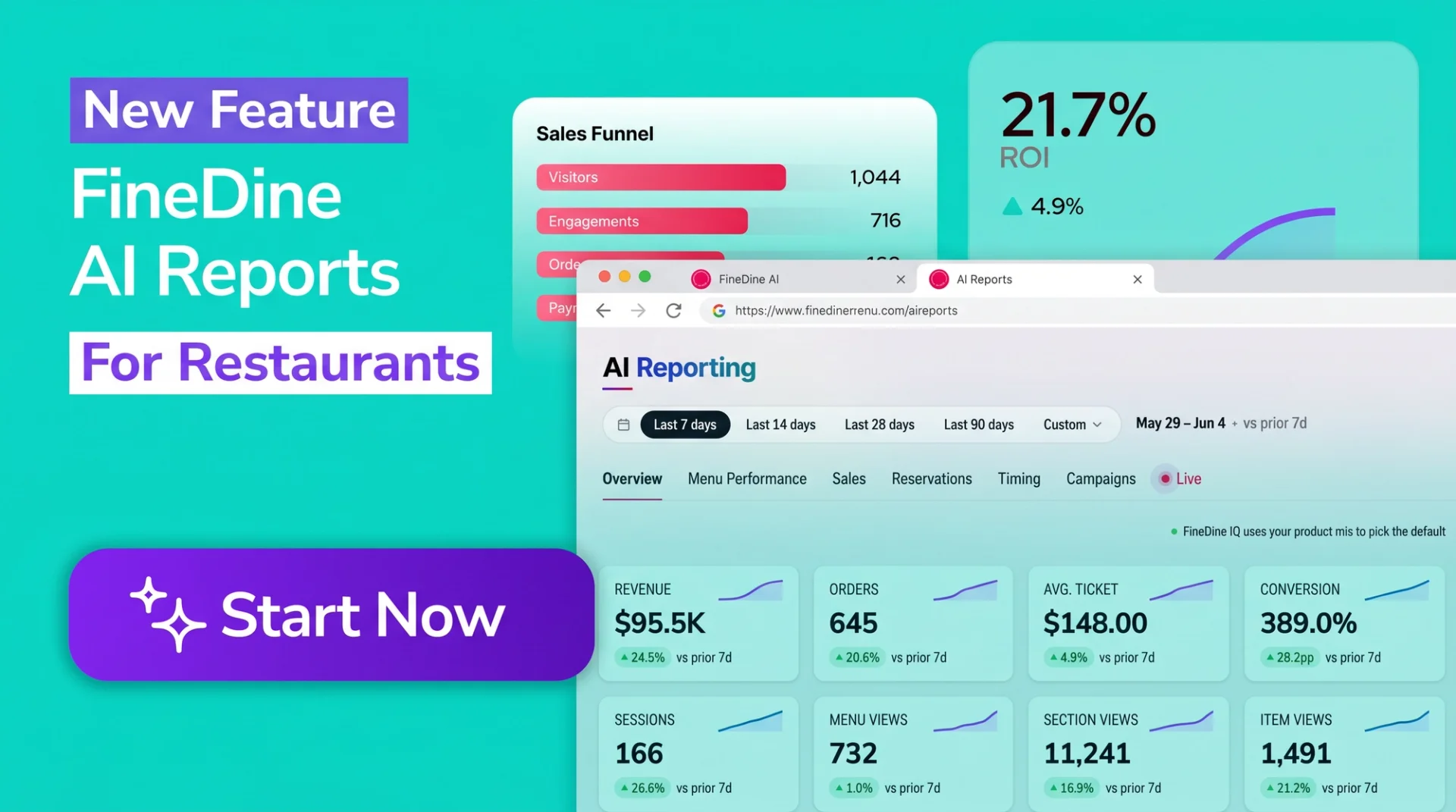
Restaurateurs can use FineDine to see how each item performs: how it looks on the menu, how it sells, and where it sits. That data is what turns menu layout from a guess into a decision.
An interactive system that improves the user experience
Guests can peruse the menu, read extensive product descriptions, provide feedback, and order and pay from the same menu. Improving the user experience increases client satisfaction, which indirectly increases your company's income.
A tool that offers wise recommendations
The FineDine digital menu establishes a connection with the customer. It makes an effort to grab customers' attention by using eye-catching pop-ups. It offers helpful advice in an effort to increase sales.
A system for easily updating and improving the content of your menus
It is difficult to make daily modifications, and updates, or show seasonal menus alongside classic meals. However, with FineDine's digital menu, you may update or improve your menus with a few clicks anytime and wherever you want. FineDine digital menu allows you to add photographs or videos to your menu, promote your campaigns and special offers in this section, and include an explanation of dishes containing allergens.
FineDine, with all of these capabilities and more, is ready to meet you with smart solutions and a vision for your business.